

Optimizing hydrocarbon recovery and processing workflows remains the core objective of the global energy sector. Across modern upstream and downstream infrastructure, heavy-duty electric process heaters serve as critical components required to condition volatile process mediums, including fuel gas, natural gas, crude oil, condensate, and process water.

As the energy industry faces accelerating pressure to lower carbon emissions through electrification, choosing technically advanced thermal equipment is vital to maintaining operational uptime, space efficiency, and strict safety compliance.

Onshore processing and distribution infrastructure

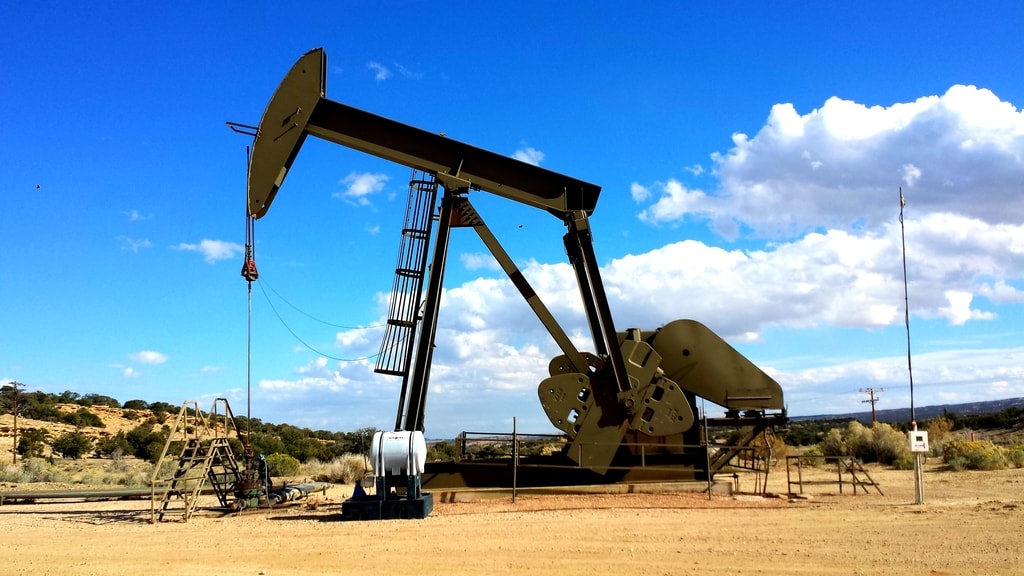
Land-based facilities and midstream pipeline networks require robust thermal management to handle high volumes and pressure variations. During long-distance pipeline transmission, drastic pressure reduction drops gas temperatures, causing liquid condensation and thermal shock. To mitigate this Joule-Thomson effect, custom-engineered electric process heaters are utilized for pre-heating and post-heating to maintain gas temperatures safely above the calculated dew point.

For broad-scale processing plants, specialized indirect heating systems manage unstable process fluids effectively:

  • Water Bath Heaters & Hot Oil Loops: Utilizing both high-efficiency electric configurations and direct-fired packages depending on site utilities.

  • Large-Volume Gas Heating & LNG Regasification: Where massive thermal loads are required and local grid electrical supplies are constrained, heavy-duty fired water bath heaters are engineered to maximize heat transfer while keeping pressure drops to an absolute minimum.

HIGH-DENSITY THERMAL SYSTEMS FOR OFFSHORE AND MARINE ASSETS

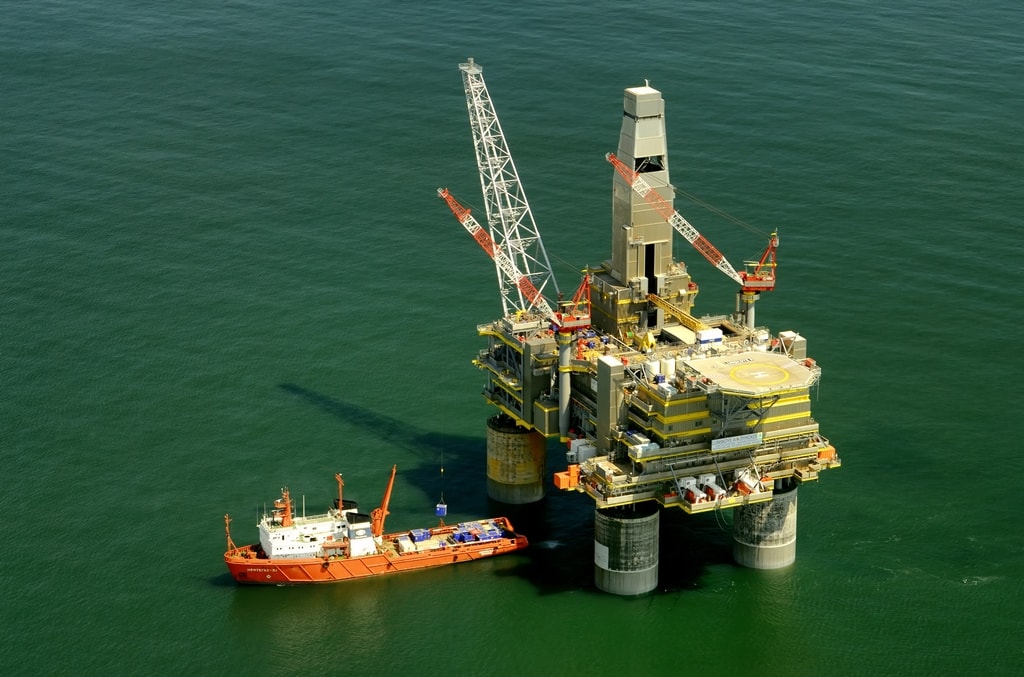
Offshore assets face intense spatial boundaries, making structural footprint reduction a primary design constraint. Whether configured for fixed assets like Central Production Platforms and Wellhead Platforms, or mobile units including MOPUs, FSOs, FSUs, FLNGs, and FPSO vessels, direct electric heating systems offer a highly compact footprint with close to 99% thermal efficiency.

Working closely with engineering firms, consultants, and EPC contractors, our technical framework delivers tailored hardware optimized for stringent maritime safety standards:

  • Gas Dehydration Units: Custom immersion heaters configured as TEG Reboiler Heaters, utilizing specialized L-shape or cartridge-type elements alongside standard hairpin tubular bundles to match unique design specifications.

  • Molecular Sieve Regeneration: Heaters robustly engineered to withstand severe, continuous cyclic thermal loads during gas sweetening processes.

  • Auxiliary Marine Process Skids: Dedicated packages including Fuel Gas Heaters, Seal Gas Heaters, Closed Drain systems, Knock-Out Drum heaters, Produced Water systems, and Caustic Water Tank immersion bundles.

  • Drilling Vessel Safeties: For semi-submersible rigs, fixed legs, and drillships, heavy-duty Braking Resistors are customized in single or multiple-bank units for the asset’s DC drive systems. These resistor units are technically configured for fresh water-cooled, seawater-cooled, or forced fan-cooled environments to ensure maximum life expectancy in highly corrosive marine air.

Every offshore package integrates strict hazardous-area compliance, including ATEX and IECEx certification frameworks for Zone 1 and Zone 2 explosive environments, providing operators with absolute thermal certainty in severe-service conditions.

Contact us.

This post is also available in: 简体中文 (Chinese (Simplified)) Русский (Russian) Português (Portuguese (Brazil))